Levels that actually stretch you
Audio from clearer to denser, so you're not stuck in “too easy” or drowning. You stay in the zone where listening actually pushes you forward.
Step 1Create your free account
BabyTaalk is built for immersion at home — real audio at your level, with captions when you need them. Sign up takes a minute, then you can start listening right away.
Already learning with us? Use Log in. New here? Start with Create account.
What you'll listen to
Dutch · Listening-first
BabyTaalk is built around audio at real levels: conversations, stories, and more. You train comprehension the way immersion actually works, by listening a lot, right at the edge of what you understand. When you need a safety net, you'll be able to turn on Dutch and English captions and adjust them as you get braver.
No grammar drills as the front door. Just ears, repetition, and sound that matches your level. Optional captions in Dutch and English when you want them. The rest can come later.
Audio from clearer to denser, so you're not stuck in “too easy” or drowning. You stay in the zone where listening actually pushes you forward.
Conversations, stories, and other formats you'd hear in real life, not only textbook clips, so your brain maps sound to meaning, not just to rules.
The point is to mimic what works abroad: hours of meaningful input. BabyTaalk is for when you can't be in the Netherlands but still want that daily flood of sound.
Turn Dutch and English captions on or off so you can check a tricky line, then go back to ears-only when you're ready. The goal is still listening-first, with support you control.
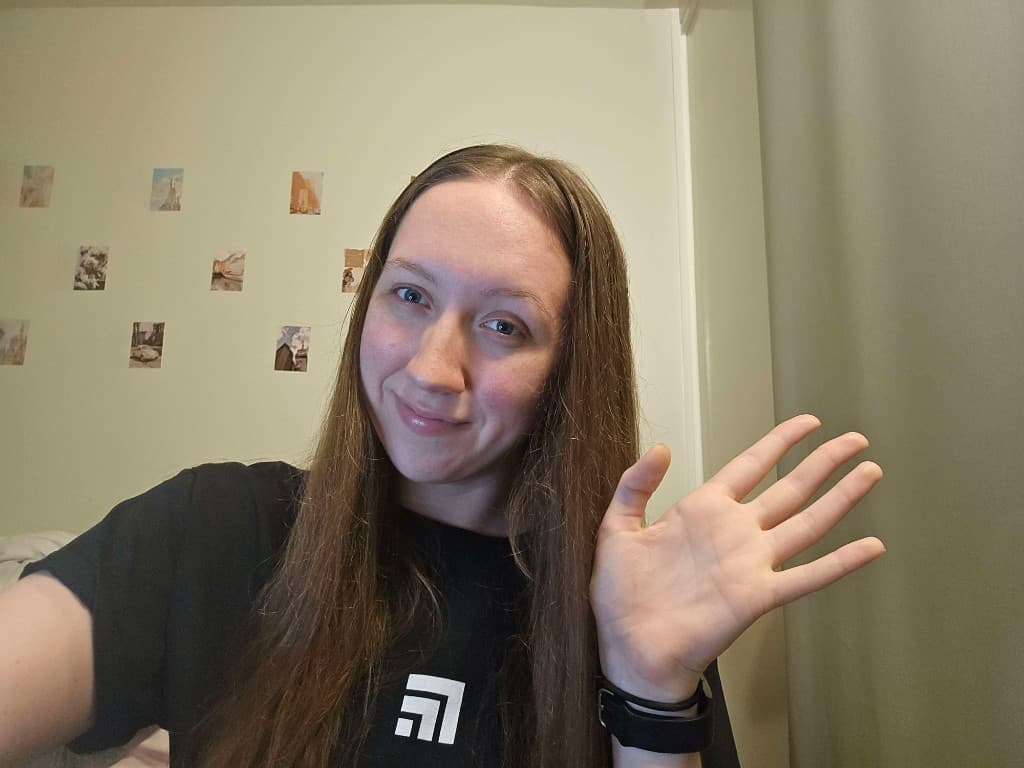
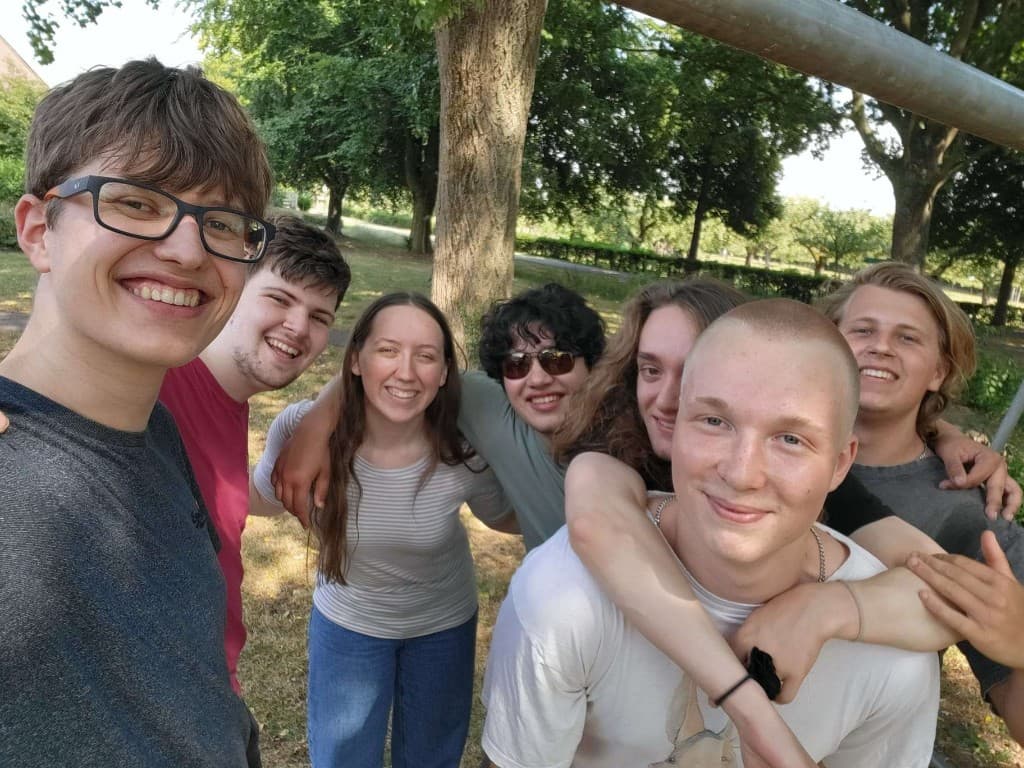
In 2019 I met a group of people from the Netherlands online. Over time they became some of my closest friends. I wanted to connect with them more deeply, so I decided to learn Dutch.
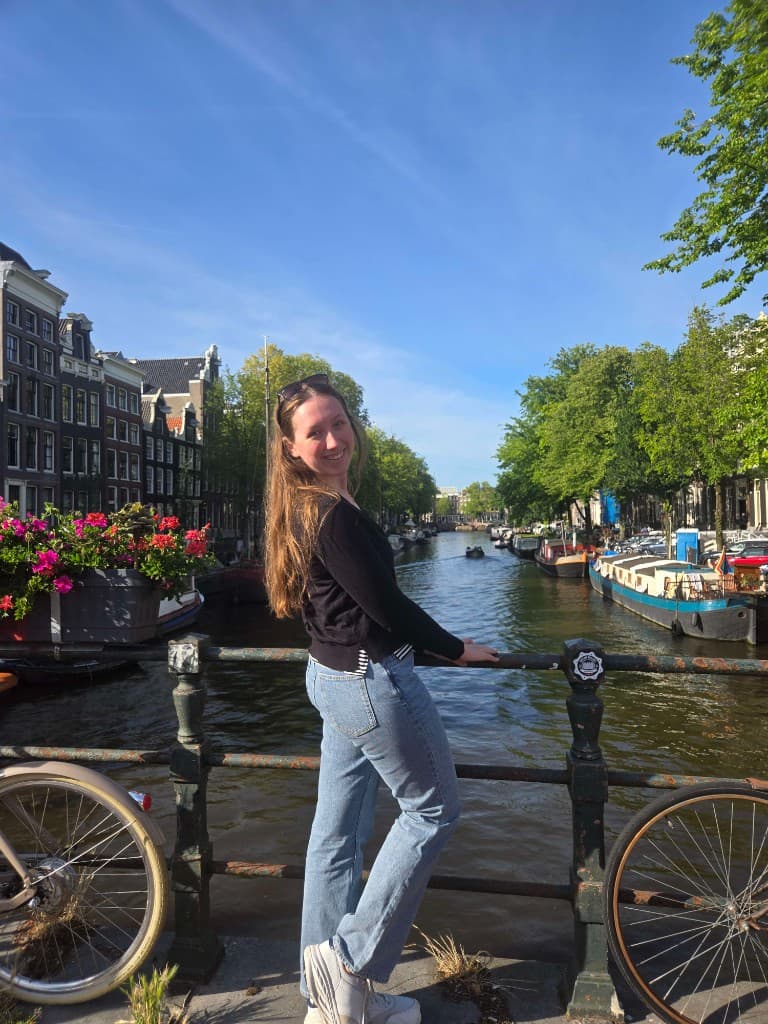
After five years I finally visited the Netherlands. I had been studying with other apps the whole time, but when it came time to actually speak, I couldn't. My brain wouldn't produce a single natural sentence. It was embarrassing, and it made the gap between “studying” and “using” the language impossible to ignore.
After that trip, something shifted. I learned so much more Dutch simply from listening to the useful sentences of the people around me, over and over, in real contexts. That's the kind of input I want BabyTaalk to help you get at home, because the bottleneck still isn't motivation. It's having enough of the right sound.
These friends are why Dutch is personal for me, and why BabyTaalk starts there. The listening first idea is bigger than one language though. I want the same approach to work for other languages down the road, as long as I can keep the quality high.
Make the most efficient listening path the most accessible one, so you spend time on the language, not on hunting for the right audio. Dutch is the focus for now, with space to add more languages when the foundation feels solid.
If immersion is the standard, the product should get out of the way between you and the next minute of good input: organized levels, varied content, and a clear path toward harder listening over time.
Strong learners without a local scene still deserve a real shot. That means generous listening libraries, fair pacing, and a product that fits real schedules, not only people who can travel whenever they want.
More audio, smarter sequencing, and progress you can trust. Create an account to start listening now — more lessons and features are on the way.
Taalk nods to taal, the Dutch word for language. Baby is there because of how we learn our first language: we don't sit down to study as infants. We listen to the people around us, including all the singsong baby talk that helps little ears tune in. BabyTaalk is that same idea for a new language: sound first, the way we did at the very beginning.
If this sounds like the Dutch audio gap you've been feeling too, create your account and start with the lessons waiting inside.